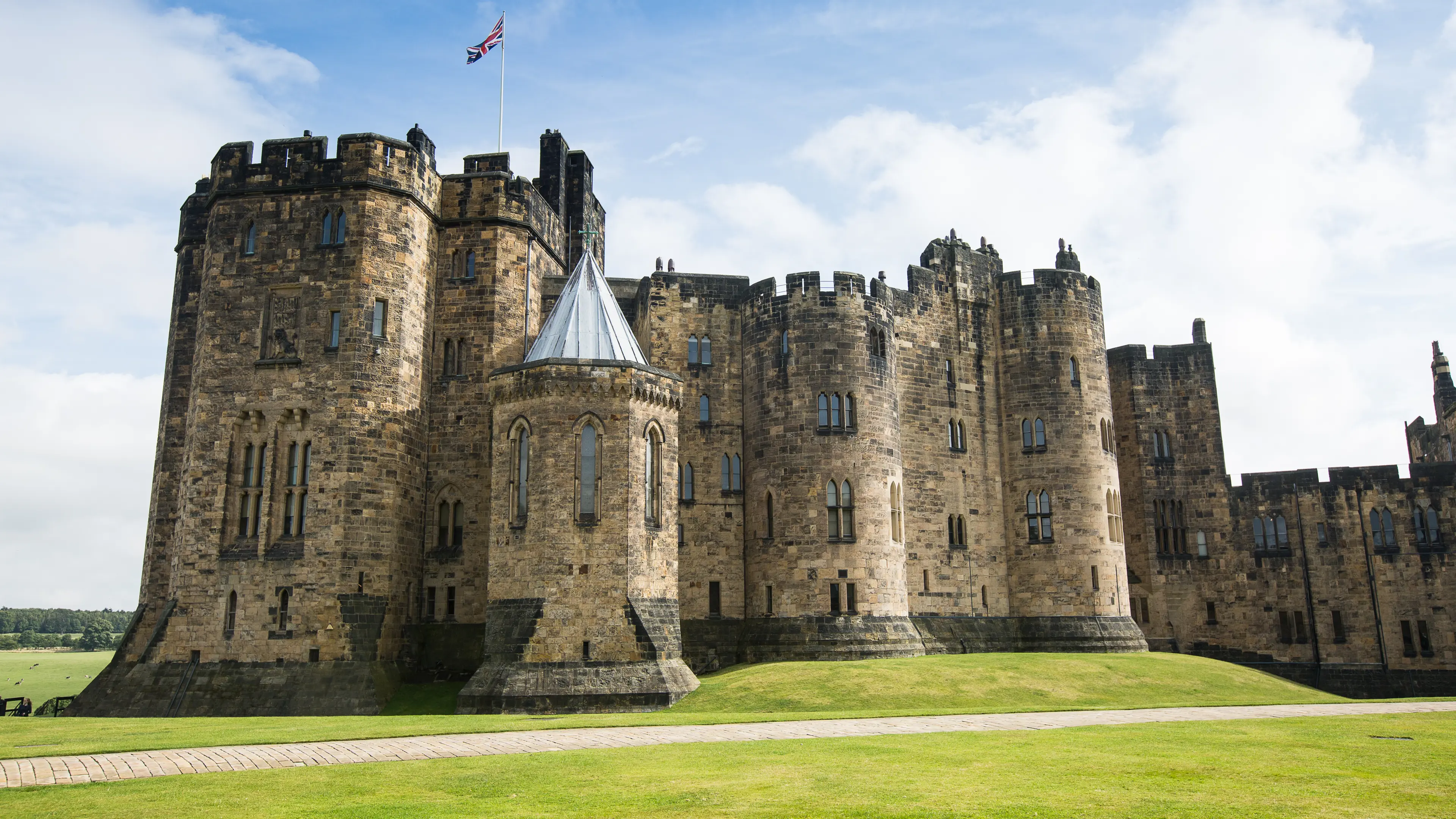
Alnwick Castle
35 miles
Known for its extensive history and role in popular media, this site provides a grand architectural contrast to the remote nature of Holy Island.
Lindisfarne turns up on Scottish itineraries, in Scottish photo albums, and on coaches leaving Edinburgh, which is why its nationality is so often misfiled. The island is English, and its address is precise. This page sets out where Holy Island actually sits, why the mistake is so common, and what the answer changes for a visit.
Quick answer
Holy Island is not in Scotland: it sits in England, at Holy Island, Berwick-upon-Tweed, Northumberland, TD15 2SH, south of the Anglo-Scottish border. The confusion is understandable, since many visitors arrive from Edinburgh. The island is tidal, so the causeway is the real constraint; the recommended arrival window is between 10:00 and 16:00.
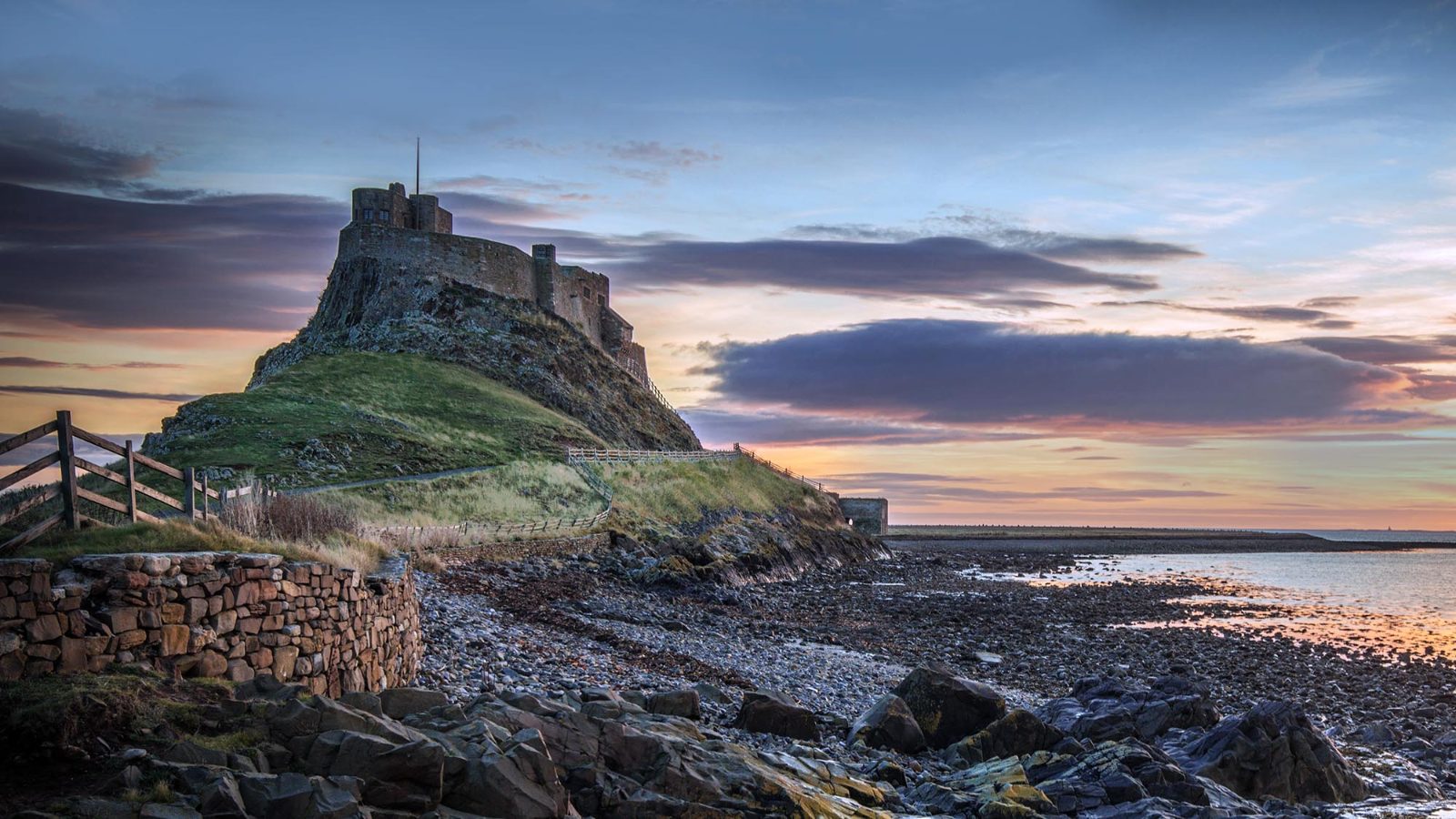
In 635 a monk named Aidan sailed south from Iona and founded a monastery on a tidal island off the Northumbrian coast. That Scottish thread never quite unwound, which is why searchers still ask where is holy island in scotland rather than England. The island is English, and has been for a long time. Its monastic parentage, its Celtic liturgy and its position within easy reach of Edinburgh all pull the other way. Berwick-upon-Tweed, the town named in the island's postal address, spent centuries changing hands between the two crowns before settling on the English side of the line. Geography explains the rest. The Anglo-Scottish border was not fixed in the seventh century, and the kingdom of Northumbria once reached from the Humber to the Firth of Forth; Din Eidyn, the fortress that became Edinburgh, fell to Northumbrian control in 638. Lindisfarne, as the island is also known, sat near the middle of that kingdom rather than at its edge. There is also a naming collision. Scotland has its own Holy Isle, a small island in the Firth of Clyde off Arran, run as a Buddhist retreat centre since the early 1990s, and Iona itself is routinely described as a holy island. Two places, one adjective, endless confusion. What survives on the island rewards the correction. The Priory ruins mark the site raided by Vikings in 793, an event that opened the Viking age in Britain, and the Lindisfarne Gospels produced here now sit in the British Library in London. Lindisfarne Castle, a Tudor fort raised from priory stone, was remodelled as an Edwardian country house by Edwin Lutyens for the magazine owner Edward Hudson, with a small walled garden laid out by Gertrude Jekyll. The National Trust has cared for the castle since 1944. Practically, the answer changes how a trip is planned rather than whether it happens. Visitors travelling from Edinburgh cross into England on the way, and the island's causeway is governed by the tide, so the crossing window matters more than the mileage. Most people treat Holy Island as a day trip, often paired with other Northumberland coastal landmarks. Anyone still searching for where is holy island in scotland can stop looking north: the destination is Northumberland, and the rest of this guide covers the crossing, the timings and what to see once the tide is out.
“Lindisfarne is English ground with a Scottish education: a monastery founded from Iona, on a coast that changed hands for centuries.”
Holy Island, known as Lindisfarne, is located off the coast of Northumberland, England, approximately 60 miles south of Edinburgh. The most direct approach is via the A1 road, turning east onto the B1139 causeway.
A1 road to B1139 causeway
LNER or CrossCountry to Berwick-upon-Tweed station
Border Buses 477 from Berwick-upon-Tweed
Visitors must check the local tidal tables before travelling, as the causeway is submerged by the North Sea twice daily. Parking is available in the designated public car park at the entrance to the village.
The safest time to visit Holy Island is within the best arrival window of 10:00–16:00, which aligns with daily tidal access requirements. Planning your trip around these hours is essential to ensure the causeway is safe to cross.
Warm, average 19°C. Longest daylight hours.
High seasonal traffic requires careful causeway planning.
Mild, average 14°C. Often drier months.
Stable conditions allow for predictable tidal crossings.
Cool, average 13°C. Crisp, clear conditions.
Reduced crowds make island exploration more efficient.
—
Arriving at 10:00 maximizes time before the tide shifts.
Verdict: The best time to visit is on a weekday during April or October, arriving promptly at 10:00 to ensure safe causeway transit.
Lindisfarne Castle is open daily to accommodate visitors exploring the Holy Island area.
Visitors exploring Holy Island often combine their trip with other significant landmarks along the Northumberland coast. These sites offer complementary historical and coastal experiences within a manageable driving distance.
35 miles
Known for its extensive history and role in popular media, this site provides a grand architectural contrast to the remote nature of Holy Island.
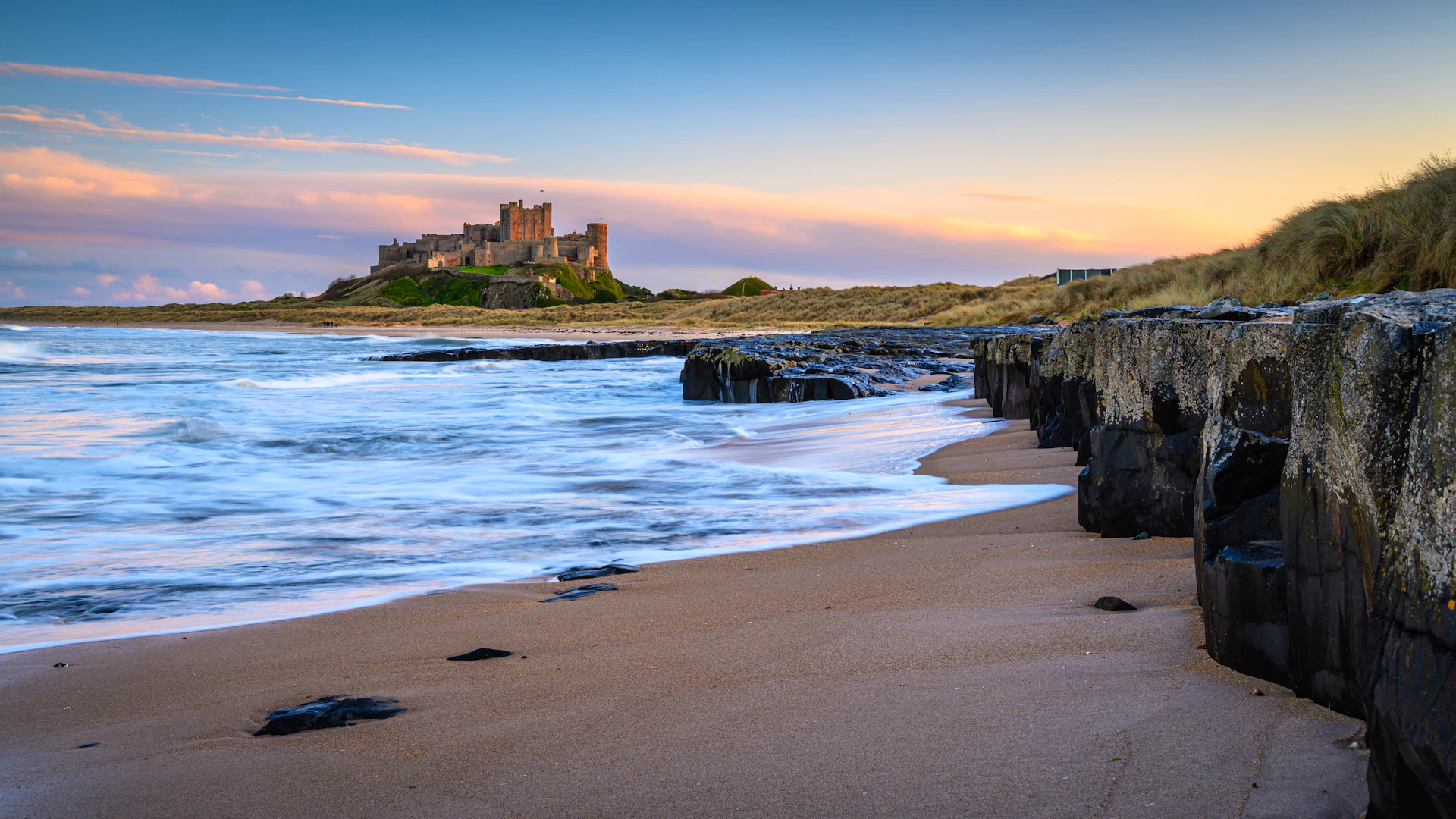
15 miles
Located along the coast, this massive fortress overlooks the sea and pairs well with a Holy Island visit for those interested in defensive Northumbrian history.

15 miles
Accessible by boat, these islands offer a wildlife-focused excursion that complements the natural landscape of the Northumberland region.
Everything you need to know about where is holy island in scotland
Holy Island, also known as Lindisfarne, is actually located in Northumberland, England, rather than Scotland. Many people ask where is holy island in scotland due to its proximity to the border, but it remains part of the English coastline. Despite the confusion regarding where is holy island in scotland, it is a frequent destination for travelers exploring the North East. You can easily find where is holy island in scotland on a map by looking just south of the Scottish border in Northumberland.
Lindisfarne is part of the historic Kingdom of Northumbria in England, not Scotland. The island is situated on the Northumberland coast, approximately 10 miles south of the Anglo-Scottish border.
A well-organized Lindisfarne day trip typically starts in the city center. Many visitors prefer a guided tour to manage the tidal causeway crossings safely.
Yes, the causeway is a tidal road that becomes submerged twice daily. You must check the local tide tables before your visit, as crossing during high tide is dangerous and impossible.
Standard adult entry to Lindisfarne Castle is 13 GBP. Please check the official National Trust website for any additional site-specific information or member discounts.
The site is open daily from 10:00 to 17:00. These hours apply throughout the week, including weekends.
Yes, it is possible to combine these historic sites in a single itinerary. Many travelers include both locations when exploring the wider Northumbria region.